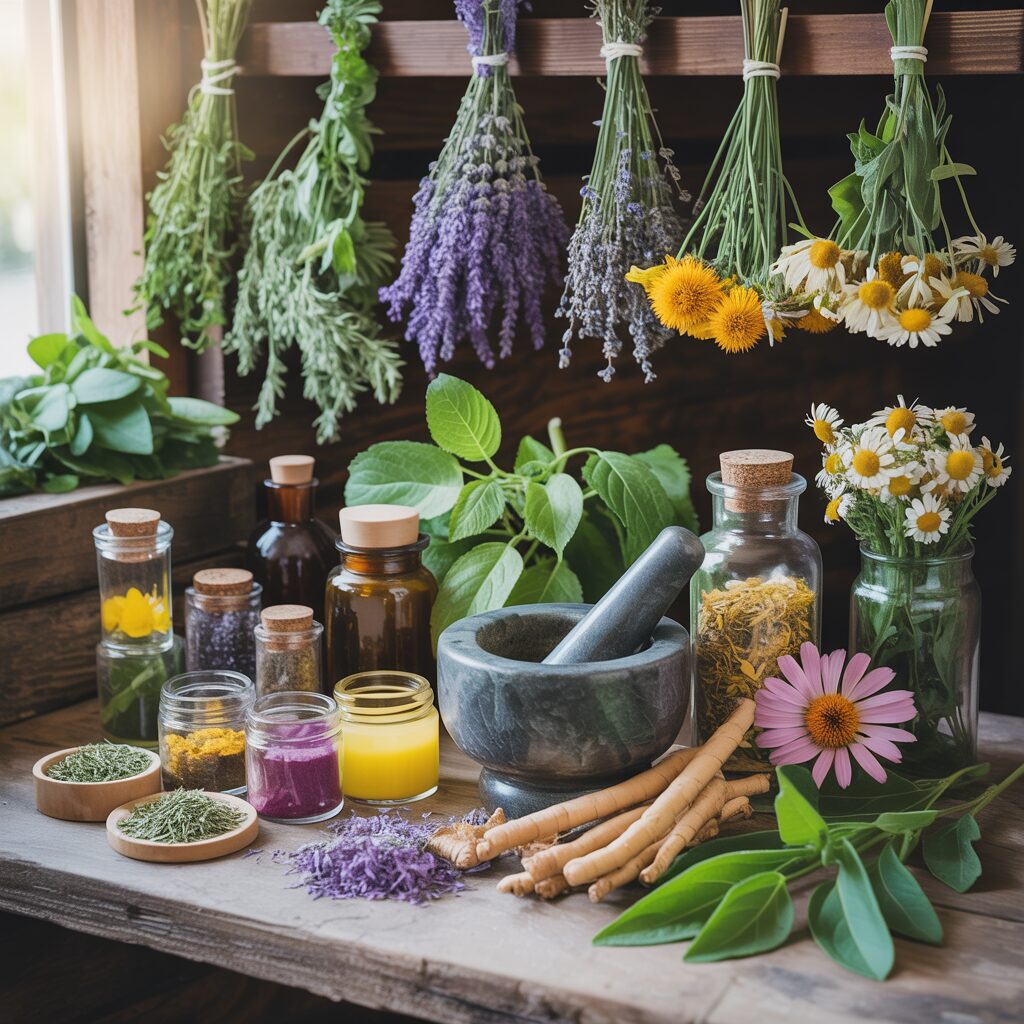
Little-Known Secrets of Herbal Medicine in Naturopathy: Ninja Tactics, Ancient Wisdom & Cutting-Edge Techniques
Herbal medicine has long stood as a pillar of naturopathy, often viewed as a gentle yet effective alternative to pharmaceuticals.
But beneath the surface of common recommendations like chamomile for sleep or ginger for digestion lies a world of little-known secrets, ninja tactics, and cutting-edge techniques that transform how herbs are used for healing.
This isn’t just about mixing a few plants into a tea.
It’s about understanding phytochemistry, body energetics, ancient traditions, and how to strategically combine herbs in ways that most over-the-counter solutions overlook.
In this post, we’ll uncover how professional naturopaths use herbal medicine on a far deeper level—blending ancient wisdom with modern research for extraordinary results.
Beyond the Basics: The Strategic Use of Herbs
In everyday use, herbs like peppermint, lavender, or echinacea are widely recommended.
But naturopaths go beyond the basics to craft precise herbal protocols based on a patient’s unique constitution, symptoms, and root causes.
For example, instead of simply giving “something for digestion,” a trained naturopath may ask:
-
Is the issue due to slow digestion, excess acid, or gut flora imbalance?
-
Is the client’s body hot or cold, tense or relaxed, dry or damp?
-
Are the symptoms tied to nervous system stress, liver sluggishness, or inflammatory triggers?
Only then is an herbal formula designed—often involving synergistic blends that target the issue from multiple angles.
This is where ninja tactics in herbal formulation come into play.
Ninja Tactics: The Herbalist’s Secret Weapon
Naturopaths often use strategic formulation methods that take herbal medicine to the next level.
These “ninja tactics” are rarely known outside professional circles but can dramatically enhance effectiveness.
1. Synergy Through Layering
Layering herbs means combining multiple plants with complementary actions. For instance, to treat anxiety with digestive symptoms, a naturopath might use:
-
Chamomile (nervine + digestive)
-
Skullcap (nervine for tension)
-
Lemon balm (calming + antiviral)
-
Fennel (carminative for bloating)
Each herb supports the others, creating a multidimensional effect that a single plant cannot provide alone.
2. Energetic Matching
Traditional herbalists match herbs to a person’s constitution using energetics: hot/cold, dry/damp, tense/lax. For example:
-
Licorice is moistening and tonifying—ideal for dry coughs or adrenal fatigue.
-
Yarrow is drying and dispersing—great for damp heat and infections.
-
Ashwagandha is warming and grounding—best for depleted, anxious types.
This customized approach ensures herbs support the body’s current state, not just the symptoms.
3. Pulse and Tongue Diagnostics
In deeper practice, herbalists may assess the tongue or pulse to determine patterns—just like in Traditional Chinese Medicine (TCM) or Ayurveda.
These signs give clues about internal imbalances that may not show up on lab results.
Ancient Wisdom Still at Work
Herbal medicine is rooted in traditions that span centuries—Ayurveda, Traditional Chinese Medicine, Native American herbalism, and European folk remedies.
These systems offer timeless insights into how the body works in harmony with nature.
Ayurveda’s Herbal Framework
In Ayurveda, herbs are classified based on their effect on doshas (Vata, Pitta, Kapha).
A Pitta-type person with inflammation might receive cooling herbs like brahmi or shatavari, while a cold, anxious Vata type might be given warming tonics like ashwagandha or ginger.
This isn’t superstition—it’s a finely tuned system of energetics that’s still incredibly relevant today.
Traditional Chinese Medicine (TCM)
TCM blends herbs into classical formulas designed to balance qi (energy), blood, and organ systems.
A formula like Xiao Yao San is often used in naturopathic settings to support liver function and hormonal balance in stressed individuals—especially women with PMS or mood swings.
These traditional formulas are often modernized in naturopathy, adapted to Western conditions using equivalent herbs.
Cutting-Edge Techniques in Herbal Therapy
Today’s herbalists don’t just rely on folk knowledge—they also use modern science and clinical research to refine their approaches.
1. Standardized Extracts
Standardized extracts are concentrated herbal forms with a guaranteed level of active compounds. This allows for more predictable outcomes and accurate dosing.
For example:
-
Curcumin from turmeric standardized to 95% curcuminoids for inflammation
-
Berberine from goldenseal or barberry for blood sugar and gut issues
-
EGCG from green tea for metabolism and antioxidant support
These extracts bridge the gap between herbal and pharmaceutical therapies—without the same side effects.
2. Liposomal and Nano-Delivery Systems
Some herbal supplements now use liposomal delivery, where herbs are encapsulated in tiny fat bubbles that enhance absorption. This is especially useful for:
-
Milk thistle (silymarin) for liver health
-
Cannabinoids (like CBD) for inflammation and pain
-
Quercetin (a plant flavonoid) for allergies and immunity
This technology increases bioavailability, making the herbs far more effective.
3. Genetic and Microbiome Matching
Advanced naturopaths are beginning to use genetic testing and microbiome analysis to tailor herbal formulas. For example:
-
A person with a COMT mutation may not tolerate stimulants like green tea or ginseng well.
-
Someone with a gut flora imbalance may need specific antimicrobial herbs like oregano oil, clove, or black walnut—but only short-term and in proper sequence.
This is where cutting-edge meets tradition, resulting in truly personalized healing.
Why Quality Matters: Sourcing and Preparation
Not all herbs are created equal. Naturopaths are trained to look beyond the label and ensure herbs are:
-
Organically grown and free from pesticides
-
Sustainably sourced to protect endangered species (like goldenseal or wild yam)
-
Properly extracted to preserve potency
-
Fresh and stored correctly to avoid oxidation or mold
Some even work with local herbalists or grow their own medicine to maintain control over quality and energetics.
Herbal Medicine for Modern Conditions
With lifestyle diseases on the rise, herbal medicine offers versatile tools to support a wide range of conditions, such as:
-
Anxiety and burnout – using adaptogens like rhodiola and reishi
-
Sleep disturbances – with nervines like passionflower and valerian
-
Hormonal imbalances – through hormone-modulating herbs like vitex and maca
-
Digestive complaints – via bitters, demulcents, and carminatives
-
Immunity – with immune modulators like astragalus, elderberry, and medicinal mushrooms
Each formula is chosen based on the person, not just the problem.
Herbal medicine in naturopathy is not just an ancient art—it’s a constantly evolving science.
From ninja-level formulation tactics to cutting-edge extract technologies, naturopaths are blending traditional wisdom with modern insight to create powerful, personalized plant-based care.
Whether you’re new to herbs or looking to deepen your understanding, there’s a whole world of little-known secrets waiting to be explored.
Or go to articles below:
1. Behind-the-Scenes of Naturopathic Healing: Expert Insights, Untapped Potential & Rarely Discussed Techniques
Unveil what really goes on in a naturopathic consultation, with insights from practitioners, unexpected therapies, and rare strategies patients never hear about.
2. Little-Known Secrets of Herbal Medicine in Naturopathy: Ninja Tactics, Ancient Wisdom & Cutting-Edge Techniques
Explore the blend of time-tested remedies and modern methods, diving into how herbs are used like never before for next-level wellness.
3. Next-Level Detoxing with Naturopathy: Underground Trends, Proven Techniques & Obscure Knowledge
Discover underground detox approaches that go beyond green juices—learn techniques only seasoned naturopaths use and why they’re gaining traction.
4. The Hidden Pathways to Mind-Body Healing: Esoteric Knowledge, Game-Changing Insights & Unconventional Approaches in Naturopathy
A mind-body transformation awaits—explore unconventional yet powerful methods that bring real healing on physical and emotional levels.
5. How Naturopathy Cracks Chronic Conditions: Advanced Strategies, Deep-Dive Analysis & Hidden Opportunities
Take a deep dive into how naturopathy targets the root causes of chronic illness—often in ways traditional medicine misses entirely.
6. The Art of Natural Diagnosis: Behind-the-Curtain Secrets, Rare Insights & Underappreciated Techniques in Naturopathy
Learn how naturopaths diagnose illness using little-known assessments and subtle clues the average doctor might ignore.
7. Uncovering the Hidden Dynamics of Nutritional Healing: Strategic Game-Changers, Exclusive Information & High-Level Insights
Go beyond the basics of nutrition with naturopathic strategies that manipulate food for energy, immunity, and hormone balance.
8. Disruptive Innovations in Modern Naturopathy: Breakthrough Discoveries, Forward-Thinking Strategies & Unorthodox Approaches
What’s shaking up the world of naturopathy? Explore breakthrough ideas that challenge even the most traditional natural health beliefs.
9. From Root to Remedy: Insider Tricks, Deep Knowledge & Underexplored Opportunities in Plant-Based Naturopathic Care
Dive deep into how plants are transformed into remedies and how this knowledge remains hidden to all but the most devoted practitioners.
10. Secrets of the Trade: How Master-Level Naturopaths Achieve Results with Confidential Insights, Sophisticated Solutions & Advanced Tactics
Learn what separates master-level naturopaths from the rest—and the strategies they use that the general public rarely sees.